
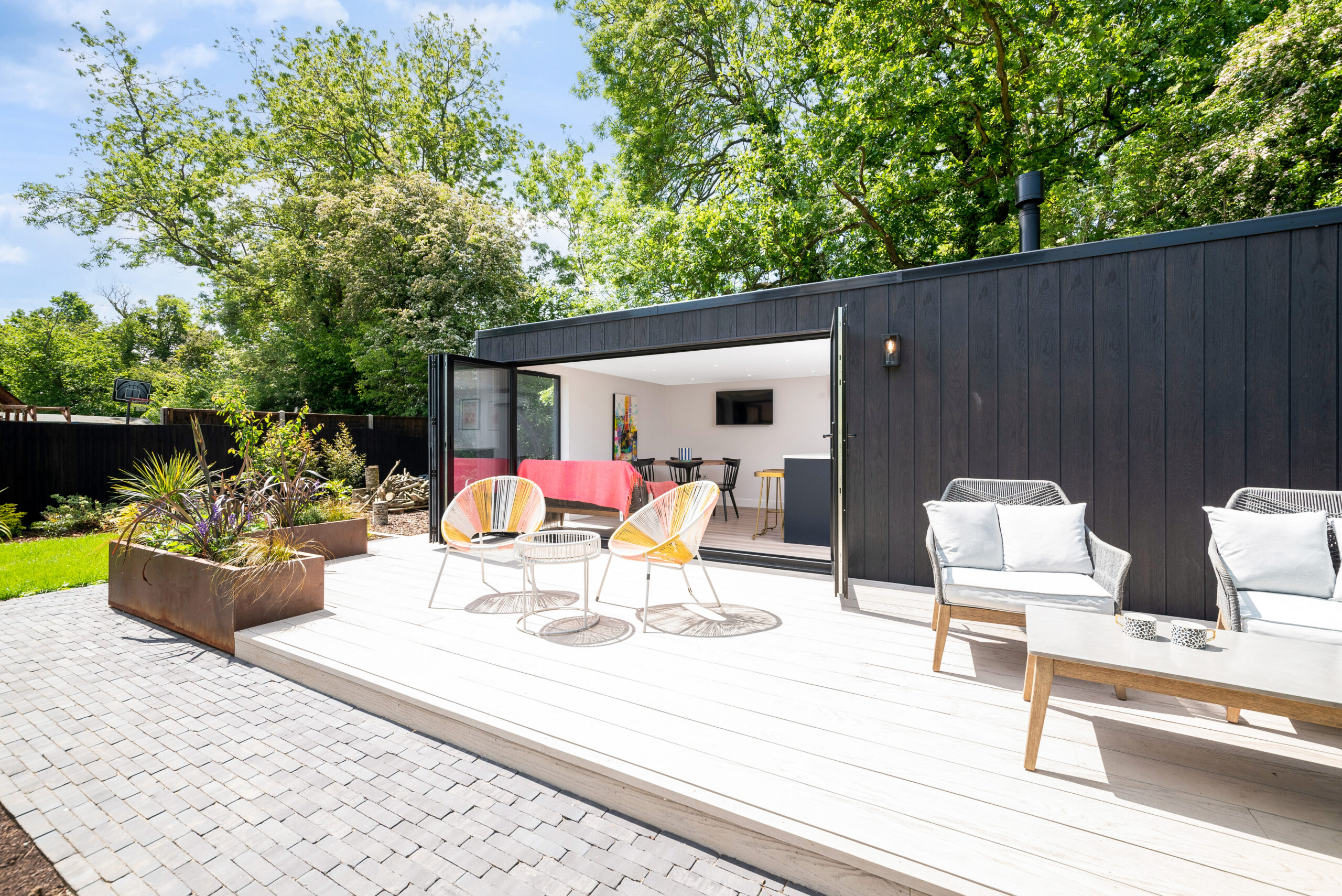
A garden room is a versatile extension to any home, providing an elegant space that can be adapted to suit a wide range of needs. Whether you want an office, a home gym, a relaxation retreat, or a creative studio, a well-thought-out garden room design can cater to your specific requirements. In this article, we will explore the process of designing the perfect garden room for different functions, from initial planning to selecting the right finishes.
1. Understanding Your Needs and Purpose
The first step in garden room design is to identify how you intend to use the space. Are you looking for a home office, a gym, an art studio, a guest room, or simply a place to unwind? Understanding the primary purpose will guide every decision, from the layout to the choice of materials and finishes. For instance, an office might require more electrical outlets than a layout that accommodates a desk and shelving, while a gym would benefit from reinforced flooring and plenty of natural light.
2. Assessing the Available Space
Once you have a clear idea of how you intend to use your garden room, the next step is to evaluate the available space. Measure your garden accurately and consider how much of it you’re willing to dedicate to your new room. Garden rooms come in all shapes and sizes, and it’s crucial to ensure that your design fits harmoniously into your existing outdoor environment without overwhelming the space. A larger garden can accommodate a more spacious structure, while a smaller garden might require a more compact design.
3. Choosing the Right Location
The location of your garden room is a critical aspect of the design process. Think about factors such as sunlight, privacy, and access when deciding where to place your room. For example, if you plan to use it as a home office, you might want a spot that receives plenty of natural light throughout the day, while a relaxation retreat might benefit from a shaded, secluded corner of your garden. It’s also essential to consider how the garden room will connect to your home. A path or decking can provide easy access and help integrate the garden room into the overall layout of your garden.
4. Selecting the Structure and Materials
The choice of materials can significantly impact the aesthetics, functionality, and longevity of your garden room design. Timber is a popular option due to its natural, warm appearance and its ability to blend seamlessly with garden surroundings. However, you might also consider materials such as brick, steel, or even glass, depending on your design preferences and budget.
Insulation is another important consideration, especially if you intend to use the garden room all year round. High-quality insulation in the walls, floor, and roof will ensure that the space remains comfortable regardless of the weather. Double-glazed windows and doors can also help to maintain a consistent temperature while providing excellent soundproofing – a bonus if you’re using the room as a quiet workspace.
5. Designing the Interior Layout
The interior layout is where you can truly personalise your garden room design. Think about how you’ll use the space and arrange it accordingly. For example:
- Home Office: A spacious desk, ergonomic chair, ample shelving, and storage solutions are essential. Position your desk near a window to benefit from natural light, and consider installing task lighting for darker days.
- Gym: Ensure there’s enough space for your exercise equipment, with sturdy flooring that can withstand heavy weights. You might also want to add mirrors to create an illusion of more space and help with your workout routine.
- Creative Studio: Incorporate plenty of natural light with large windows or skylights. Include work surfaces and storage for materials, and consider a flexible layout that can adapt to different creative projects.
- Relaxation Retreat: Comfortable seating, soft lighting, and plenty of cushions and throws will create a cosy atmosphere. You might also include a bookshelf, hammocks, a small coffee table, or even a mini bar for added luxury.
6. Electrical and Plumbing Considerations
If you plan to include electrics or plumbing in your room, these elements must be factored into the design process early on. Many garden room designs feature electrical outlets, lighting, heating, and even internet connectivity, allowing the space to function as an extension of your home. Installing plumbing can enable you to add amenities such as a sink, shower, or even a small kitchenette, but this will require additional planning and potentially a larger budget.
7. Planning Permissions and Regulations
One of the advantages of garden rooms is that they often fall under ‘permitted development,’ meaning they do not require planning permission, provided they meet certain criteria. However, it’s essential to check with your local council to ensure your design complies with regulations, especially if you plan to install plumbing, electricity, or if the structure exceeds a certain height.
8. Personalising Your Garden Room Design
Once the structure and essential fittings are in place, it’s time to personalise your garden room. Paint the walls in colours that reflect the mood you want to create, add furnishings that suit your chosen function, and decorate with plants, artwork, or other personal touches. This final stage is where your garden room truly comes to life, transforming from a mere building into a functional, welcoming space.
9. Consider the Exterior Landscaping
Don’t forget that the exterior of your room is just as important as the interior. Incorporating landscaping elements such as flower beds, pathways, decking, or outdoor lighting can enhance the overall appearance and help your garden room blend into the surrounding environment. Choose plants and features that complement the style of your garden room and create a cohesive look. For a lush, low-maintenance lawn that instantly elevates your outdoor space, consider laying high-quality turf as the foundation of your garden. Adding fresh turf from a turf company in Richardson not only enhances the appearance of your garden but also creates a softer, greener environment for relaxation and play.
Conclusion
Designing the perfect garden room requires careful planning, consideration of your needs, and attention to detail. By taking the time to assess how you want to use the space, selecting the right materials, and carefully planning the interior and exterior elements, you can create a garden room design that not only serves its intended purpose but also enhances the overall aesthetic and functionality of your outdoor space. Whether you want a productive workspace, a fitness sanctuary, or a tranquil retreat, the possibilities for your garden room are limited only by your imagination.
Leave a Reply