
Teaching your child how to cook is a valuable life skill that goes beyond just preparing meals. As children learn to cook basic dishes, they develop independence, creativity, and essential life skills. In this blog, we will explore the numerous benefits of teaching your child how to cook basic meals, from boosting confidence to encouraging healthier eating habits.
1. Promotes Independence
One of the key benefits of teaching your child how to cook is that it fosters independence. Cooking requires a certain level of responsibility, decision-making, and time management. By learning how to prepare meals, children take ownership of their food and feel more confident in their ability to accomplish tasks on their own.
When children are involved in cooking, they begin to understand the effort that goes into meal preparation, which can make them more appreciative of food and less likely to rely on pre-packaged or fast food options. As they progress, children can begin to cook meals for themselves, and even for the family, which helps develop a sense of responsibility and accomplishment.
2. Encourages Healthier Eating Habits
Involving your child in the cooking process also teaches them about nutrition and the importance of a balanced diet. By learning to cook, children gain the opportunity to understand the ingredients that go into their meals and how to make healthier choices. For instance, they can experiment with adding vegetables or swapping out less nutritious ingredients for healthier alternatives.
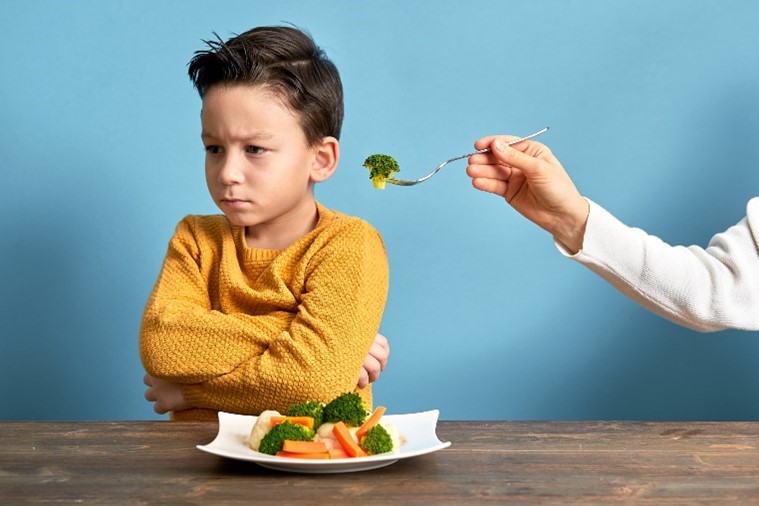
When children are part of the cooking process, they are more likely to be excited about eating the meals they have prepared. This sense of pride in their work can encourage them to try new foods and develop a more positive attitude toward healthy eating.
3. Develops Essential Life Skills
Cooking teaches children a variety of essential life skills that will serve them well in the future. These skills include:
- Following Instructions: Cooking requires following recipes, which helps children practice attention to detail and the ability to follow directions accurately.
- Problem-Solving: Sometimes things don’t go as planned in the kitchen. Learning how to fix mistakes or adjust recipes encourages critical thinking and problem-solving skills.
- Time Management: Cooking involves multitasking, timing, and organising tasks to ensure everything is ready at the right moment. These time management skills are transferable to many areas of life.
- Creativity: Cooking allows children to experiment with different ingredients, flavours, and techniques, fostering their creativity and expanding their horizons.
4. Strengthens Family Bonding
Cooking together is a wonderful way for families to bond. Whether you’re preparing a weeknight dinner or baking a special treat, cooking encourages teamwork and communication. Children learn by observing, and parents can offer guidance while also giving their children the space to try things on their own.
By preparing meals as a family, you create an opportunity for meaningful conversations, share traditions, and develop lasting memories. It’s also a great chance to teach children the importance of healthy meal planning and working together toward a common goal.
5. Boosts Self-Confidence
When children successfully prepare a meal, this prep school in Buckinghamshire suggests that they gain a sense of achievement and pride. This boosts their self-confidence and self-esteem, as they realise that they are capable of accomplishing something important. Cooking also teaches resilience, as children learn that mistakes are part of the process and that it’s okay to try again.
Teaching your child to cook basic meals is an investment in their future. Not only does it equip them with practical skills, but it also instils valuable life lessons such as independence, creativity, and responsibility. By encouraging your child to get involved in the kitchen, you’re setting them up for a lifetime of healthier eating habits, self-confidence, and family connections.
Leave a Reply